Palm Care · Zone 8a/8b
Palm Tree Trimming in St. George, UT
As of August 2026, palm tree trimming in St. George, UT costs $75 – $250 for most residential palms under 30 ft, with one correct trim in late May–June covering the whole year. St. George Tree Care connects you with an independent local provider who knows the difference between a clean trim and the hurricane cut that slowly kills desert palms.
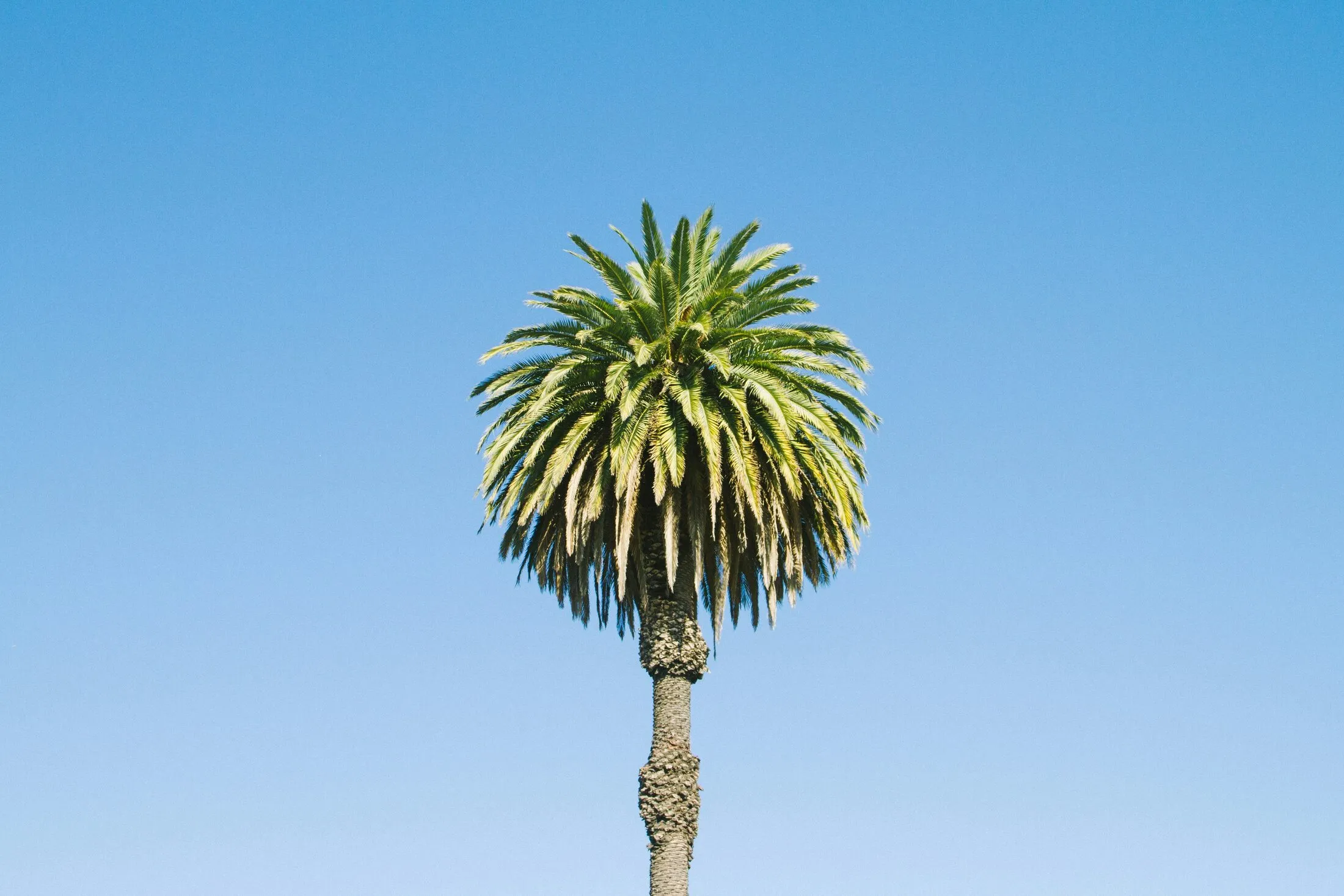
The Palms That Actually Grow Here
St. George sits in USDA zone 8a/8b on the Mojave's northeastern edge — warm enough for palms, but with winter cold snaps that sort the truly hardy species from the marginal ones. Knowing which palm you own changes how it should be trimmed and what winter damage you should expect:
- Windmill palm (Trachycarpus fortunei). The cold-hardiest trunked palm commonly planted here — takes temperatures around 10°F. Slow-growing, modest height, fibrous matted trunk. Needs little more than removal of dead fronds and bloom stalks once a year.
- Mediterranean fan palm (Chamaerops humilis). A clumping, multi-trunk palm, hardy to roughly 10–15°F. Trimming is mostly about thinning suckers and cleaning dead fronds — it never gets tall, so it stays inexpensive.
- California fan palm (Washingtonia filifera). The classic thick-trunked desert fan palm — native to Mojave and Sonoran oases and hardy to around 15°F. The most reliable tall palm for Washington County. Left alone it holds a dense skirt of dead fronds; annual trimming keeps that in check.
- Mexican fan palm (Washingtonia robusta) and hybrids. The tall, slender, fast fan palm — and the one that gets hurt here, because it's only reliably hardy to around 20°F. Hard winters brown entire crowns of robusta around the valley, and deep freezes can kill outright. Many local "Washingtonias" are actually filifera×robusta hybrids with intermediate hardiness. If you're planting rather than maintaining, this matters more than any trimming decision.
True date palms (Phoenix dactylifera) appear in warm local microclimates too — commercial groves thrive not far south of here — but they're a specialty maintenance job of their own. Whatever the species: healthy green fronds are the palm's engine and its food storage. Every trimming rule below follows from that.
The One Correct Trim (and the Common Wrong One)
A proper annual palm trim in St. George happens in late May through June — after frost risk has passed, when the flower and seed stalks have pushed out (so they come off in the same visit before dropping seeds all summer), and before triple-digit heat makes crown work punishing. The trim itself is simple to describe:
- Remove dead and fully brown fronds and the fruit/bloom stalks.
- Keep every frond growing at or above horizontal. Picture a clock face: nothing between 9 and 3 gets cut. Fronds drooping below horizontal are on their way out and can go.
- Leave yellowing fronds alone. Palms deliberately pull potassium and other nutrients out of aging fronds before shedding them. Cutting yellow fronds early just accelerates deficiency — in our alkaline desert soils, where potassium and manganese already move poorly, that's a real problem, not a cosmetic one.
The wrong version is the "hurricane cut" — stripping the crown to a topknot of upright fronds. It looks tidy for a month and costs the palm all season: starved reserves, a bud exposed to sun in summer and cold in winter, pencil-thin trunk growth over repeated years, and worse wind behavior, not better. It's the most common palm-care mistake in the valley, and refusing it is the single best test of whether a crew understands palms. A related note for winter: if a cold snap browns the crown, leave it — that skirt is insulating the palm's only growing point, and cleanup belongs in the spring trim, not January.
Skinning — shaving the dead frond bases ("boots") off the trunk for a smooth column — is separate and optional. It's worth doing on palms near structures (the dry boots are ember-catching fire fuel and popular scorpion habitat); it adds $100–$300 per palm and, once done, is easy to maintain. And a safety note that bears repeating: tall-palm work is genuinely hazardous — the hanging skirt of a neglected fan palm can collapse over a climber — so anything beyond a short ladder palm belongs with an insured professional crew.
Trimming is one piece of the year — watering, feeding for alkaline soil, winter frost protection, and species selection are the rest. The year-round palm care guide covers the full calendar.
Palm Trimming & Removal Costs in St. George
Palm trimming
| Palm height | Typical range (St. George, UT) |
|---|---|
| Under 30 ft | $75 – $250 |
| 30–60 ft | $150 – $500 |
| 60–80 ft | $300 – $900 |
| Over 80 ft | $700 – $1,300 |
Trunk skinning: add $100–$300 per palm. Multiple palms trimmed in one visit usually price better per tree — most local yards batch the whole property into the June window.
Palm removal
| Palm height | Typical range (St. George, UT) |
|---|---|
| Under 30 ft | $200 – $450 |
| 30–60 ft | $350 – $750 |
| 60–80 ft | $650 – $1,200 |
| Over 80 ft | $1,000 – $1,800 |
A medium palm typically runs $350 – $750 to remove. The palm removal page covers when a frost-browned palm is really dead, dead-palm hazards, and stump grinding; full modifiers live in the tree removal cost guide.
The annual-maintenance math favors consistency: a palm trimmed every June stays a quick, predictable job, while a palm skipped for three years builds a heavy skirt that takes longer, costs more, and is more dangerous to clear. If you have several palms, a standing once-a-year arrangement with one provider is almost always the cheapest way to own them — the homepage estimator can price your specific palms in seconds.
Get a Free Palm Trimming Quote
Tell us how many palms and roughly how tall — a local, independent provider follows up, usually the same day.
Frequently Asked Questions
How much does palm tree trimming cost in St. George? +
As of August 2026, most residential palms in St. George cost $75 – $250 to trim — that covers the windmill and Mediterranean fan palms under 30 ft that dominate local yards. Tall fan palms in the 60–80 ft range run $300 – $900, and trunk skinning adds $100–$300 per palm when wanted.
How often do palm trees need trimming? +
Once a year is right for nearly every palm in Washington County, timed to late May–June. Palms carry a set number of living fronds and replace them slowly — there is no benefit to trimming more often, and real harm in taking too much each time.
When should palm trees be trimmed in St. George? +
Late May through June — after the last realistic frost has passed, when flower and seed stalks have emerged (so they can be removed in the same trim), and before the worst of summer heat. Trimming in fall or winter removes the insulation the crown needs against cold snaps.
What is a hurricane cut, and why do experts warn against it? +
A "hurricane cut" strips a palm down to a few upright fronds. It starves the palm — palms pull nutrients back out of aging fronds — weakens the trunk over repeated seasons, exposes the growing bud to sun and cold, and actually worsens wind performance. A properly trimmed palm keeps every frond above horizontal.
Should I remove frost-damaged brown fronds in winter? +
No — wait until spring. After a cold snap burns fronds brown, that damaged skirt insulates the palm's single growing point through the rest of winter, and the palm's survival depends entirely on that bud. Once frost risk has passed and new spear growth confirms the palm is alive, the damage can be cleaned up in the normal early-summer trim.